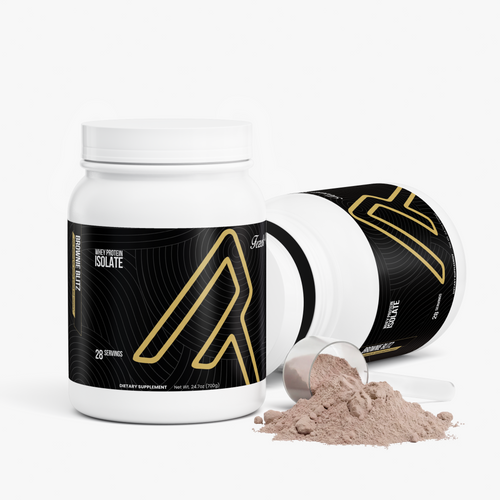
Choosing the right whey protein can be confusing, especially when the market offers both isolate and concentrate options. Both forms deliver high-quality protein, but they differ in processing, nutrient profile, and how they interact with the body during muscle-building cycles. Understanding these distinctions helps athletes, bodybuilders, and fitness enthusiasts select the supplement that aligns with their goals, dietary restrictions, and training intensity.
What Is Whey Protein Concentrate (WPC)?
Whey protein concentrate is produced by filtering raw whey to remove a portion of the lactose, fat, and minerals. The result is a protein powder that typically contains 70-80″?% protein by weight, with the remaining percentage made up of carbs, fats, and bioactive compounds.
Key Characteristics
- Protein Content: 70-80″?% protein, making it slightly less concentrated than isolate.
- Cost: Generally more affordable due to less intensive processing.
- Flavor & Texture: Retains more of the natural whey fats, often providing a creamier mouthfeel.
- Micronutrients: Contains higher levels of immunoglobulins, lactoferrin, and other bioactive peptides.
What Is Whey Protein Isolate (WPI)?
Whey protein isolate undergoes additional filtration steps, such as cross-flow microfiltration or ion exchange, to remove nearly all lactose, fat, and non-protein components. The final product boasts a protein purity of 90-95″?%.
Key Characteristics
- Protein Content: 90-95″?% protein, delivering more protein per scoop.
- Lactose & Fat: Minimal, making it suitable for low-carb or lactose-intolerant individuals.
- Absorption Rate: Slightly faster digestion, which can be advantageous post-workout.
- Price: Higher due to extra processing steps.
How They Affect Muscle Protein Synthesis
Both WPC and WPI provide essential amino acids, especially leucine, which triggers muscle protein synthesis (MPS). However, the rate and magnitude of MPS can vary based on protein purity, digestion speed, and the presence of other nutrients.
Comparative Insights
- Leucine Threshold: Both forms typically exceed the 2-gram leucine threshold needed to maximally stimulate MPS after resistance training.
- Digestibility: WPI’s lower fat and lactose content can lead to quicker amino acid delivery, potentially offering a marginal edge in the immediate post-exercise window.
- Caloric Considerations: For athletes tracking macros, WPI provides more protein with fewer extra calories, while WPC can contribute modest carbs and fats that may benefit those seeking a more balanced intake.
Choosing the Right Form for Your Goals
Selection should be guided by personal objectives, dietary restrictions, and budget.
When Whey Concentrate May Be Preferable
- Budget-conscious athletes who need high-quality protein without premium pricing.
- Individuals who tolerate lactose and appreciate the additional micronutrients found in concentrate.
- Those who prefer a richer flavor profile for mixing into shakes or recipes.
When Whey Isolate Is the Better Choice
- Lactose-intolerant or sensitive individuals seeking a low-carb option.
- Competitors cutting calories aggressively while maintaining protein intake.
- Athletes who prioritize the fastest possible amino acid delivery post-training.
Practical Tips for Maximizing Muscle Gains
Regardless of the type chosen, the following strategies can help optimize results:
- Consume 20-30″?g of whey protein within 30-60 minutes after resistance training to capitalize on the anabolic window.
- Pair protein intake with 30-50″?g of carbohydrates to boost insulin response and further enhance MPS.
- Maintain a total daily protein intake of 1.6-2.2″?g per kilogram of body weight, adjusting for training intensity and body composition goals.
- Rotate between concentrate and isolate if you want the benefits of both nutrient profiles while keeping costs manageable.
For deeper insight into tailoring nutrition plans that align with specific training cycles, Discover expert strategies here. If you’re interested in how personalized supplementation can fit into a broader performance framework, Learn about our tailored solutions. Additional resources such as periodized diet protocols are available to explore, just Explore advanced guides and tips. To stay updated on emerging research about protein timing and muscle hypertrophy, Find out more about this approach.