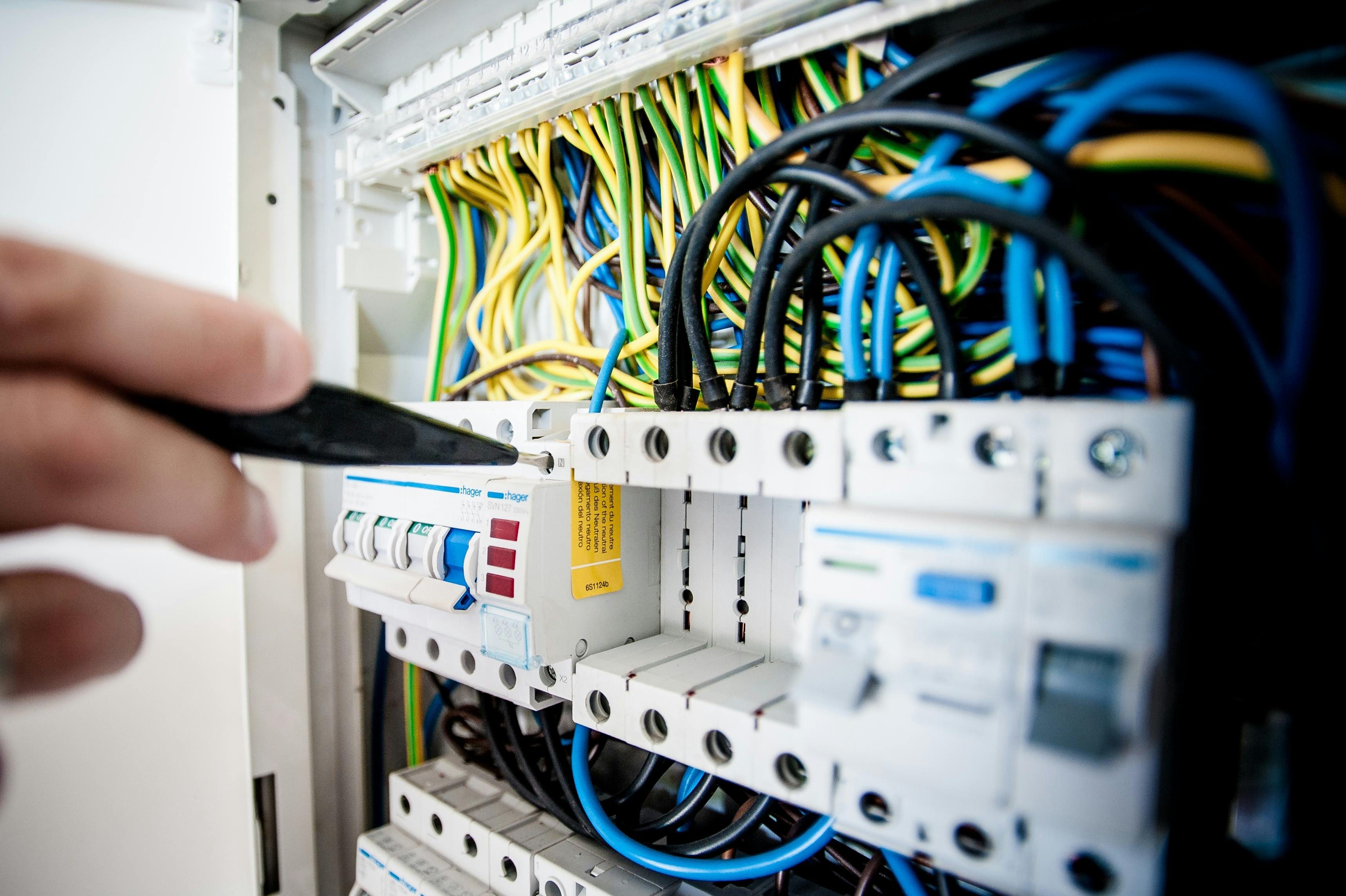
When embarking on any construction or renovation project, the role of a licensed electrical contractor becomes paramount. These professionals are responsible for ensuring that the electrical systems are designed, installed, and maintained in compliance with safety standards and regulations. Their expertise not only safeguards the building and its occupants but also enhances the overall efficiency and functionality of the electrical systems. Understanding the specific roles and responsibilities of a licensed electrical contractor can greatly benefit project outcomes and ensure adherence to required codes and standards.
Why Hire a Licensed Electrical Contractor?
Engaging a licensed electrical contractor provides several advantages that contribute to the success of a project:
- Compliance with Regulations: Licensed contractors are well-versed in local and national electrical codes, ensuring that all work meets the necessary legal requirements. Read more about this topic.
- Safety Assurance: Proper installation minimizes the risk of electrical hazards such as fires and shocks.
- Quality Workmanship: Professional contractors deliver high-quality installations that are reliable and durable.
- Efficiency and Reliability: An experienced contractor can design and implement systems that optimize energy use and reduce operational costs.
The Responsibilities of a Licensed Electrical Contractor
Project Planning and Design
Before any construction begins, an electrical contractor collaborates with architects and engineers to develop a comprehensive electrical plan. This includes:
- Determining power requirements and distribution methods.
- Designing lighting systems that meet aesthetic and functional needs.
- Integrating energy-efficient solutions.
Explore further insights here.
Installation and Maintenance
Once planning is complete, the contractor oversees the installation of electrical systems, ensuring compliance with specifications and safety standards. Key responsibilities include:
- Installing wiring, outlets, and fixtures according to the detailed design.
- Testing systems to ensure functionality and safety.
- Ongoing maintenance and troubleshooting to address any issues that arise post-installation.
Find additional information here.
Coordination and Communication
Effective communication and coordination with other contractors and stakeholders are crucial for project success. A licensed electrical contractor:
- Works closely with other trades to ensure seamless integration of systems.
- Provides clear updates on project progress and any adjustments needed.
- Ensures that all stakeholders are informed of safety protocols and procedures.
Learn more in this detailed guide here.
Conclusion
The role of a licensed electrical contractor is integral to any construction or renovation project. Their expertise ensures that electrical systems are installed safely, efficiently, and in compliance with all applicable regulations. By engaging a professional, project managers and stakeholders can rest assured that the electrical aspects of their projects are in capable hands. For those looking to delve deeper into the specifics of their roles and responsibilities, additional resources can be found on various professional platforms.