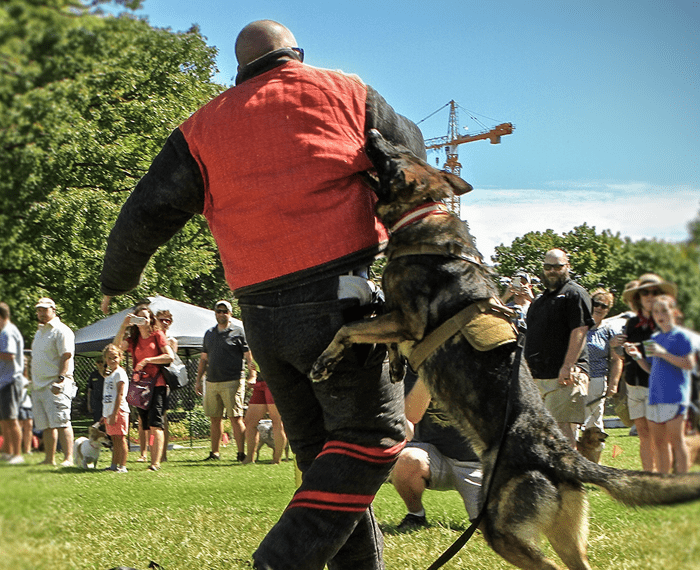
Sport dogs, whether competing in agility, obedience, dock diving, or endurance events, require a precise blend of nutrition and training to perform at their peak. Balancing high-quality fuel with a structured conditioning program helps these athletes maintain stamina, speed, and mental focus. This handbook breaks down the essential components of a sport dog’s diet, outlines progressive training methods, and offers practical tips for owners who want to maximize their canine’s athletic potential.
Understanding the Nutritional Foundations
Macronutrients: The Building Blocks of Performance
- Protein: Supports muscle repair and growth. Aim for a minimum of 25-30% of the diet from high-quality animal proteins such as chicken, turkey, fish, or beef.
- Fats: Primary energy source for sustained activity. Look for diets containing 12-18% fat, with a healthy ratio of omega-3 to omega-6 fatty acids to reduce inflammation.
- Carbohydrates: Provide quick-release energy for short bursts of speed. Complex carbs like sweet potato, brown rice, and oats are preferable to simple sugars.
Micronutrients & Supplements
- Calcium and phosphorus for bone health, especially critical for growing athletes.
- Glucosamine and chondroitin to support joint integrity during high-impact activities.
- Antioxidants (vitamins E and C, selenium) to combat oxidative stress from intense workouts.
Choosing a diet that meets these criteria can be challenging. Discover expert strategies here. provides guidance on selecting commercial formulas or crafting balanced home-cooked meals that align with a sport dog’s energy demands.
Designing a Tailored Training Program
Assessing Baseline Fitness
Before launching into a rigorous regimen, evaluate the dog’s current stamina, strength, and flexibility. Simple tests, such as a timed jog, a controlled fetch drill, and a basic obedience sequence, reveal strengths and areas for improvement.
Progressive Conditioning Phases
- Foundation Phase (Weeks 1-4): Focus on core stability, basic obedience, and low-intensity cardio. Short leash walks, hill climbs, and gentle fetch sessions build a solid base.
- Development Phase (Weeks 5-8): Introduce interval training, agility ladders, and moderate resistance work (e.g., weighted vests at 5-10% body weight). Increase session length by 10-15% each week.
- Peak Phase (Weeks 9-12): Simulate competition conditions with high-intensity bursts, sport-specific drills, and mental focus exercises. Include proper cool-down stretches to preserve flexibility.
For a deeper dive into periodization techniques and sport-specific conditioning, Explore advanced guides and tips. offers resources that align training intensity with nutritional timing.
Timing Nutrition Around Workouts
- Pre-Exercise Meal (30-60 minutes prior): Light, easily digestible carbs with a modest protein boost, think a small portion of boiled chicken and rice.
- During Extended Sessions: Offer water frequently; for activities lasting over an hour, consider a low-sugar electrolyte gel designed for dogs.
- Post-Exercise Recovery (within 30 minutes): Provide a balanced meal rich in protein and carbs to replenish glycogen stores and initiate muscle repair. Adding a joint supplement can aid recovery.
Common Challenges and Solutions
Heat Stress
Sport dogs are prone to overheating, especially in warm climates. Monitor body temperature, provide shade, and adjust workout intensity. Hydration packs and cooling vests can be lifesavers.
Gastrointestinal Upset
Sudden dietary changes or high-fat meals may cause upset stomachs. Introduce new foods gradually and consider probiotic supplements to support gut health.
Injury Prevention
- Incorporate dynamic warm-ups (leg swings, gentle circles) before each session.
- Maintain a consistent stretching routine post-workout.
- Schedule regular veterinary check-ups to catch early signs of strain or joint wear.
When seeking professional advice on injury prevention protocols, Find out more about this approach. offers evidence-based recommendations tailored to active canines.
Putting It All Together: A Sample Daily Schedule
| Time | Activity | Nutrition |
|---|---|---|
| 07:00 | Light warm-up walk (15 min) | Water |
| 08:00 | Pre-exercise meal | Half cup of high-protein kibble + ¼ cup cooked sweet potato |
| 08:30 | Training session (interval agility) | Water + electrolyte gel if >60 min |
| 09:30 | Cool-down stretch | Water |
| 10:00 | Post-exercise recovery meal | Full portion of balanced diet with added joint supplement |
| 12:30 | Rest & mental enrichment (puzzle toys) | Light snack (green beans) |
| 15:00 | Short obedience drill | Water |
| 18:00 | Evening meal | Standard balanced kibble |
| 20:00 | Leisure walk | Water |
Conclusion
Optimizing a sport dog’s performance hinges on a harmonious blend of targeted nutrition, structured training, and vigilant care. By adhering to the macronutrient ratios outlined, timing meals around activity, and progressing through disciplined conditioning phases, owners can unlock their canine’s full athletic potential while minimizing injury risk. Continuous education and professional guidance, such as the resources found at Learn about our tailored solutions., ensure that training plans evolve alongside the dog’s growth and changing sport demands. With dedication, knowledge, and the right nutritional foundation, sport dogs can achieve remarkable results on any course or field.