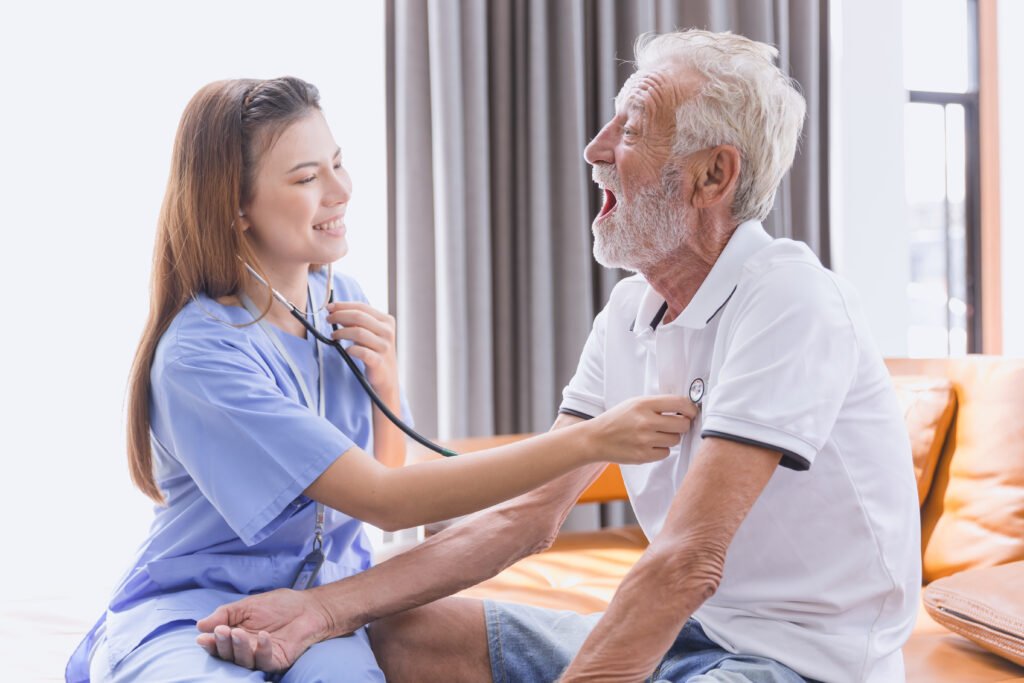
As the global population ages, the demand for quality elderly home care is increasingly critical. Providing compassionate and professional care for the elderly in their own homes not only enhances their quality of life but also supports their independence. Elderly home care services are tailored to meet the individual needs of seniors, ensuring they maintain dignity, comfort, and a sense of autonomy. This article explores the key components of providing quality home care for the elderly, highlighting considerations for caregivers, families, and healthcare professionals alike.
Understanding Elderly Home Care
Elderly home care encompasses a wide range of services designed to assist seniors in their daily lives. These services can be medical or non-medical, depending on the unique requirements of the individual.
Medical Services
- Medication management and administration
- Regular health assessments and monitoring
- Physical therapy and rehabilitation services
- Specialized care for chronic illnesses such as diabetes or heart disease
Non-Medical Services
- Assistance with activities of daily living (ADLs) such as bathing, dressing, and grooming
- Meal preparation and nutritional guidance
- Companionship and social engagement
- Transportation for errands and medical appointments
For those interested in a deeper understanding of these services, explore further insights here.
The Importance of Personalized Care Plans
Personalized care plans are essential to providing effective elderly home care. Each senior has unique needs and preferences, and a tailored approach ensures these are met comprehensively. A well-structured care plan includes:
- Detailed assessment of the senior’s health, mobility, and cognitive abilities
- Identification of specific care needs and preferences
- Regular updates and adjustments to the plan as the senior’s needs change
- Coordination with healthcare professionals and family members
To learn more in this detailed guide about creating effective care plans, consider exploring available resources.
Training and Support for Caregivers
Caregivers play a crucial role in delivering quality home care. Ensuring they receive proper training and support is vital to maintaining high standards of care.
Essential Training Topics
- First aid and emergency response
- Communication skills for interacting with seniors
- Understanding age-related conditions and their management
- Stress management and self-care for caregivers
Caregivers who are well-trained are better equipped to handle the challenges that arise in home care settings. Find additional information here about training programs and support systems available for caregivers.
The Role of Technology in Elderly Home Care
Technology is increasingly becoming an integral part of elderly home care, offering innovative solutions to enhance care quality and efficiency.
Technological Innovations
- Remote health monitoring systems
- Medication management apps and devices
- Telehealth services for remote consultations and support
- Safety and security systems, such as fall detectors and emergency alert devices
For more details on how technology is shaping elderly care, read more about this topic.
Conclusion
Providing quality elderly home care is a multifaceted undertaking that requires dedication, compassion, and a comprehensive understanding of the needs of seniors. By focusing on personalized care plans, caregiver training, and leveraging technology, the goal of offering dignified and independent living for the elderly can be achieved. As the landscape of home care continues to evolve, staying informed and adapting to new trends and practices is essential for all those involved in elderly care. For a deeper dive into these topics, explore further insights here.