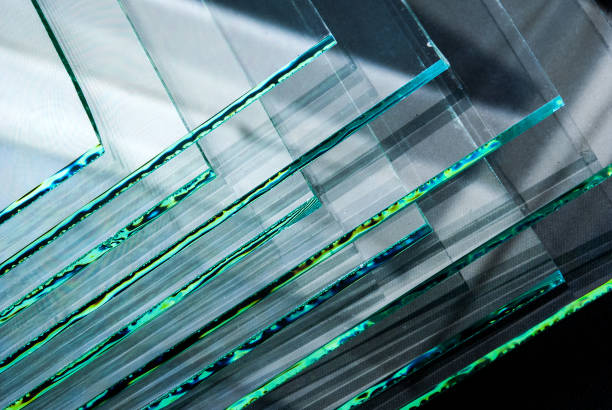
In an era where sustainability and energy efficiency are paramount, the construction and design industries are increasingly turning to materials that offer both environmental benefits and superior performance. Insulated glass panels have emerged as a favored choice, especially for windows, due to their ability to enhance energy efficiency while providing comfort and aesthetic appeal. This article delves into the advantages of insulated glass panels, exploring their role as a sustainable choice in modern architecture.
Understanding Insulated Glass Panels
Insulated glass panels, often referred to as double glazing, consist of two or more glass panes separated by a spacer and sealed to create an air space. This design significantly improves thermal insulation compared to single-pane windows. The space between the panes is typically filled with inert gases such as argon or krypton, which enhance the thermal performance of the window.
Key Components of Insulated Glass Panels
- Glass Panes: These are the primary components that provide the necessary transparency and structural integrity.
- Spacer: A metal or polymer strip that separates the glass panes, reducing heat transfer and minimizing condensation.
- Seals: Vital for maintaining the insulation properties by preventing moisture ingress and gas leakage.
- Inert Gas Fill: Enhances thermal insulation by reducing heat transfer between the glass panes.
Environmental and Economic Benefits
Insulated glass panels are an integral part of sustainable building design, offering numerous environmental and economic advantages. Here are some key benefits:
- Energy Efficiency: By reducing the need for artificial heating and cooling, these panels help lower energy consumption, contributing to reduced carbon footprints.
- Cost Savings: Enhanced insulation properties mean significant savings on energy bills over time, making them a cost-effective choice for homeowners and businesses.
- Noise Reduction: The structure of insulated glass panels also serves to dampen external noise, creating a quieter interior environment.
- Condensation Control: By maintaining a stable internal temperature, these panels help reduce condensation and prevent mold growth.
Applications in Modern Architecture
The versatility of insulated glass panels for windows makes them suitable for various architectural applications. They are not limited to residential properties but are extensively used in commercial buildings, educational institutions, and healthcare facilities. The modern architectural emphasis on large glass facades and open-plan spaces has further driven the demand for insulated glass panels, which provide the necessary balance between aesthetics and functionality.
Trends and Innovations
Advancements in technology have led to innovations in insulated glass panel design, enhancing their performance and appeal:
- Smart Glass Technology: Integrating smart features such as electrochromic glass, which can change opacity, offers dynamic control over solar gain and privacy.
- Triple Glazing: Adding a third pane of glass improves insulation and energy efficiency, ideal for colder climates.
- Low-E Coatings: These coatings are applied to the glass surface to reflect heat, improving energy efficiency without compromising light transmission.
Conclusion
Insulated glass panels represent a forward-thinking approach to window design, marrying functionality with environmental responsibility. Their ability to enhance energy efficiency, reduce costs, and contribute to sustainable building practices make them an invaluable asset in contemporary architecture. As building codes evolve and the demand for green building solutions grows, insulated glass panels will continue to be a critical component in creating energy-efficient, comfortable living and working spaces.