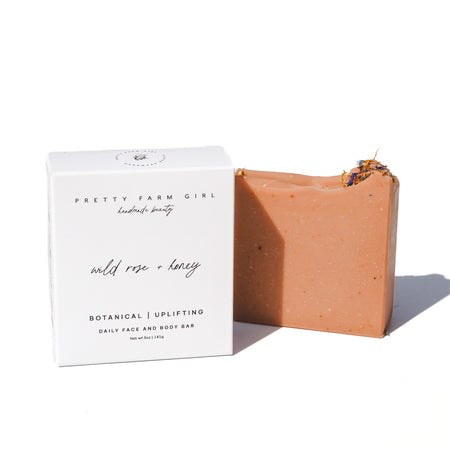
When it comes to daily skin care, the choice of cleanser can have a profound impact on long-term health and comfort. Goat milk soap, prized for its gentle composition, is often contrasted with mass-produced commercial soaps that dominate supermarket shelves. Understanding the differences in ingredients, pH balance, and skin-friendly properties helps consumers decide which option offers the safest, most nurturing experience for their skin.
Key Differences Between Goat Milk Soap and Commercial Soap
Ingredient Profile
- Goat Milk Soap: Primarily composed of goat’s milk, natural oils (such as olive, coconut, or shea butter), and a minimal amount of lye. The milk provides vitamins A, D, and E, along with lactic acid that gently exfoliates.
- Commercial Soap: Often contains synthetic detergents (SLS/SLES), fragrance mixes, preservatives, and a higher proportion of petroleum-derived additives. These ingredients can strip the skin’s natural oils.
pH Levels
- Goat milk soap typically has a pH between 5.5 and 6.5, close to the skin’s natural acidity, helping to maintain the protective acid mantle.
- Many commercial soaps sit at a higher pH (9-10), which can disrupt the barrier function and lead to dryness or irritation.
Moisturizing Capability
- The natural fats and proteins in goat milk act as built-in moisturizers, reducing the need for additional after-care.
- Commercial soaps often require a separate moisturizer to counteract the drying effect of harsh surfactants.
Safety Considerations for Sensitive Skin
For individuals with eczema, rosacea, or allergic sensitivities, the formulation of the cleanser matters more than brand reputation alone.
- Allergen Exposure: Goat milk soap is generally free from common allergens such as parabens and synthetic dyes. However, those with a dairy allergy should test a small area first.
- Chemical Irritants: Commercial soaps may contain fragrance compounds that trigger contact dermatitis. Look for “fragrance-free” labels if this is a concern.
- Microbial Balance: Some artisan goat milk soaps incorporate probiotic cultures that support the skin’s microbiome, an advantage not found in most conventional products.
For a deeper dive into probiotic-enhanced options, Discover expert strategies here.
Environmental Impact and Sustainability
Beyond personal health, the production process influences ecological footprints.
- Goat Milk Soap: Often handcrafted in small batches, using locally sourced milk and renewable oils. Packaging tends to be minimal and recyclable.
- Commercial Soap: Mass-manufactured with large-scale animal farming by-products and synthetic chemicals. Plastic packaging is frequently non-biodegradable.
Choosing a soap that aligns with sustainable practices can also support broader community health. Learn about our tailored solutions.
Cost vs. Value
While goat milk soap often carries a higher price tag per ounce, the value proposition includes fewer additives, better skin compatibility, and longer-lasting moisture retention, potentially reducing the need for additional skincare products.
- Initial Investment: Higher upfront cost.
- Long-Term Savings: Fewer skin irritations and less reliance on expensive moisturizers.
How to Choose the Safer Option for Your Routine
- Read the ingredient list carefully, prioritize natural oils, milk, and minimal lye.
- Check the pH if the manufacturer provides it; aim for 5.5-6.5.
- Consider any known allergies, especially to dairy or fragrance compounds.
- Evaluate the brand’s sustainability claims and packaging practices.
- Test a small patch of skin before full-body use.
For those interested in a soap that combines probiotic benefits with gentle cleansing, Explore advanced guides and tips.
Conclusion
When safety, skin health, and environmental responsibility are the primary goals, goat milk soap generally outperforms conventional commercial soaps. Its natural ingredient base, skin-friendly pH, and built-in moisturizing properties create a gentler cleansing experience, especially for sensitive or compromised skin. While the price point may be higher, the long-term benefits, reduced irritation, better barrier support, and a smaller ecological footprint, make it a compelling choice for anyone seeking a safer, more sustainable daily cleanser.