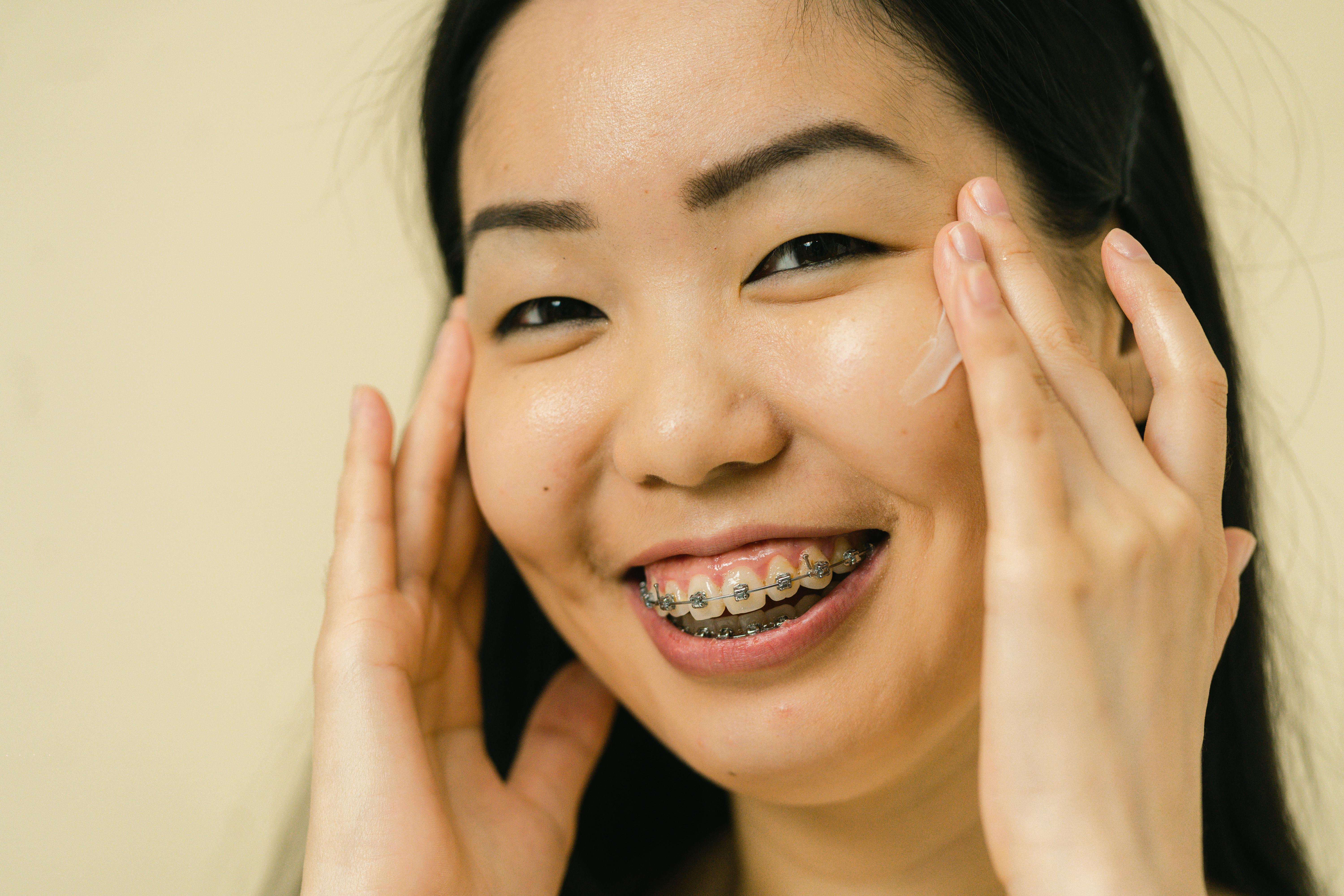
As people age, maintaining oral health becomes increasingly important, yet often more challenging. For senior citizens, braces can offer a renewed sense of confidence and improved oral function. However, selecting the right orthodontic solution involves careful consideration of various factors. This article explores some key aspects to consider when choosing braces for seniors, ensuring that they receive optimal care and results.
Understanding the Needs of Senior Citizens
For senior citizens, the decision to get braces is often driven by a combination of aesthetic desires and functional needs. It?s critical to consider:
- Bone density changes that may affect the movement of teeth.
- Existing dental work, such as crowns or implants, which may influence treatment options.
- Overall health conditions that might impact treatment duration or approach.
For more detailed insights into how these factors influence the choice of braces, discover expert strategies here.
Types of Braces Suitable for Seniors
There are various types of braces available that cater specifically to the needs of senior citizens:
Traditional Metal Braces
While often associated with younger patients, traditional braces can be effective for seniors. They are robust and capable of addressing complex dental issues.
Ceramic Braces
Ceramic braces offer a less visible alternative to metal braces. They blend with the teeth and are an excellent option for seniors concerned about aesthetics.
Clear Aligners
For those seeking a discreet solution, clear aligners can be a highly effective option. They are removable and allow for easier maintenance of oral hygiene. Learn about our tailored solutions for more information on how clear aligners can be adapted for elderly patients.
Choosing the Right Orthodontist
Finding an orthodontist who is experienced in treating senior patients is crucial. Consider the following when selecting an orthodontic provider:
- The orthodontist?s experience and specialization in senior orthodontics.
- Availability of advanced technologies and treatment options.
- Patient reviews and testimonials regarding the care provided to seniors.
To ensure you are making an informed decision, explore advanced guides and tips on selecting the right orthodontic care for seniors.
Cost Considerations and Insurance
Cost is often a significant factor in deciding whether or not to pursue orthodontic treatment. Here are some points to consider:
- Review your dental insurance policy to understand what costs are covered.
- Evaluate payment plans offered by the orthodontic practice.
- Consider the long-term benefits of improved oral health against the upfront costs.
To understand more about financing options for braces, find out more about this approach.
Conclusion
Finding the best braces for senior citizens requires a comprehensive understanding of their unique needs and the available orthodontic solutions. By carefully evaluating the options and seeking specialized care, seniors can achieve both functional and aesthetic improvements. For more detailed guidance, consider reaching out to an experienced orthodontic provider who can offer personalized solutions.