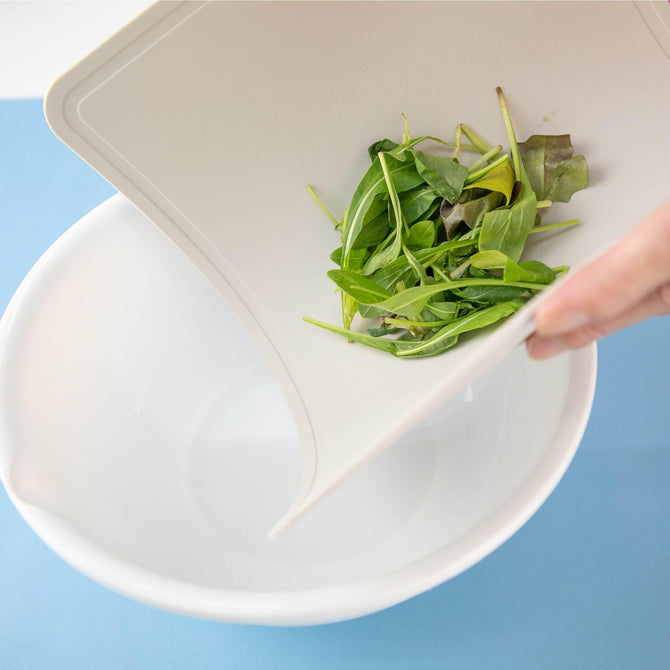
Rubber cutting boards have gained popularity due to their durability, non-porous nature, and ease of maintenance. Unlike other materials, rubber is resistant to cracking and warping, making it an excellent choice for both professional and home kitchens. However, to ensure that these cutting boards remain in top condition, proper cleaning and maintenance practices are essential. This article provides expert tips on how to maintain and clean rubber cutting boards effectively, ensuring their longevity and hygiene.
Understanding the Benefits of Rubber Cutting Boards
Rubber cutting boards offer several advantages over traditional wooden or plastic boards. Some of these benefits include:
- Durability: Rubber boards are less prone to knife cuts and scratches.
- Non-Porous Surface: They resist absorbing liquids and odors, making them more hygienic.
- Self-Healing Properties: The surface of rubber cutting boards can close up after being cut, reducing the risk of bacteria growth.
- Easy to Clean: They require minimal maintenance compared to other materials.
For more information on the benefits and types of rubber cutting boards, read more about this topic.
Effective Cleaning Techniques
Daily Cleaning Routine
To maintain hygiene, it’s essential to clean your rubber cutting board after each use. Follow these steps:
- Wash the board with warm, soapy water immediately after use.
- Use a soft bristle brush or sponge to scrub the surface gently.
- Rinse thoroughly with clean water to remove soap residues.
- Dry the board with a clean towel or air dry it by standing it upright.
Deep Cleaning
Periodically, a more thorough cleaning is recommended to ensure your board stays in pristine condition:
- Mix a paste of baking soda and water for a deeper clean.
- Apply the paste to the board and scrub with a soft-bristled brush.
- Rinse off the paste with warm water and dry the board completely.
- For stubborn stains or odors, consider using a mixture of vinegar and water.
Learn more in this detailed guide about maintaining cutting boards.
Preventing Damage
While rubber cutting boards are robust, taking precautions can extend their lifespan:
- Avoid placing hot pots or pans on the cutting board to prevent warping.
- Store the board in a dry, cool place to avoid exposure to excessive moisture.
- Do not use abrasive cleaning tools that might wear down the surface.
For more detailed insights, explore further insights here.
Additional Tips for Longevity
To ensure that your rubber cutting board serves you well over the years, consider these additional tips:
- Regularly inspect the board for deep cuts or grooves and replace it if necessary.
- Alternate between multiple boards to reduce wear and tear on any single board.
- Use a dedicated cutting board for different types of food (e.g., one for meats, another for vegetables) to prevent cross-contamination.
Find additional information here on maintaining the quality and safety of your cutting board: Find additional information here.
By following these expert tips, you can ensure that your rubber cutting board remains a reliable and safe tool in your kitchen. With proper care, these boards can withstand years of use, providing a clean and efficient surface for all your culinary needs.