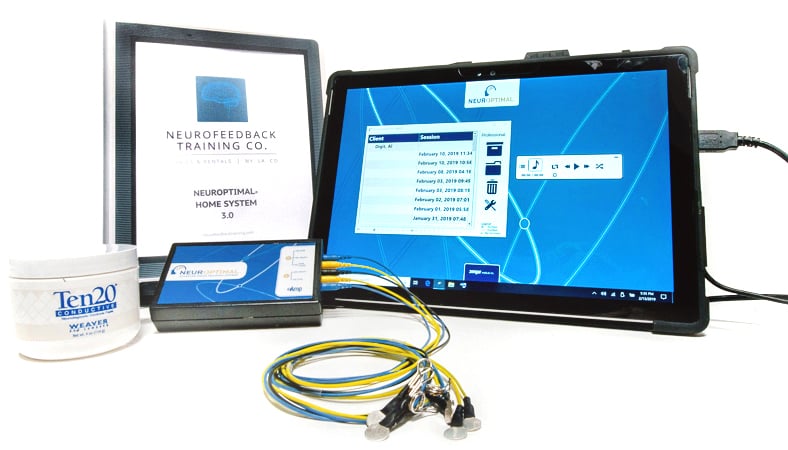
In recent years, neurofeedback therapy has gained popularity as a non-invasive technique to enhance brain functioning. It is particularly appealing for its potential benefits in improving mental focus, reducing stress, and managing symptoms of various cognitive disorders. Traditionally administered in clinical settings, neurofeedback therapy is now accessible at home, allowing individuals to take charge of their mental well-being conveniently. This guide aims to provide insights into how one can engage in DIY neurofeedback therapy at home.
What is Neurofeedback Therapy?
Neurofeedback therapy is a type of biofeedback that uses real-time monitoring of brain activity to teach self-regulation of brain function. It involves observing the brainwaves and providing feedback to encourage healthier patterns. This therapy can be beneficial for addressing conditions such as ADHD, anxiety, depression, and sleep disorders.
Benefits of Neurofeedback Therapy at Home
- Convenience: Perform sessions in the comfort of your own space.
- Cost-effective: Reduces the need for frequent visits to a clinic.
- Flexibility: Schedule sessions according to your routine.
- Privacy: Conduct sessions without external observation.
Getting Started with Home Neurofeedback Therapy
Choosing the Right Equipment
To begin home neurofeedback therapy, it is essential to invest in suitable equipment. Look for systems that offer comprehensive user guides and customer support. Consider the following tips when selecting equipment:
- Compatibility: Ensure the system is compatible with your computer or tablet.
- Ease of Use: Opt for a system that is user-friendly and requires minimal technical expertise.
- Reputation: Research customer reviews and ratings to ensure reliability.
Setting Up Your Home Therapy Space
Creating an appropriate environment is crucial for effective neurofeedback therapy at home?. Consider the following:
- Select a Quiet Space: Choose a room with minimal distractions.
- Comfortable Seating: Use a comfortable chair to maintain good posture during sessions.
- Consistent Schedule: Establish a regular time for therapy to maximize benefits.
Understanding the Process
It is important to familiarize yourself with the process of neurofeedback therapy. Typically, a session involves:
- Preparation: Set up the equipment and ensure all sensors are properly placed.
- Monitoring: Engage in the therapy while the system provides real-time feedback on brainwaves.
- Review: Analyze the feedback and adjust practices to improve outcomes in future sessions.
Safety and Effectiveness
While DIY neurofeedback therapy can be effective, it is advisable to consult with a healthcare professional before beginning. Consider the following safety measures:
- Understand Limitations: Not all conditions may be suitable for at-home therapy.
- Regular Monitoring: Keep track of progress and consult a professional if any issues arise.
- Adherence to Instructions: Follow the equipment guidelines strictly to avoid misuse.
Conclusion
Neurofeedback therapy at home offers a practical, flexible, and cost-effective way to enhance mental health. By choosing the right equipment, creating a conducive environment, and understanding the process, individuals can effectively harness the benefits of this therapy. However, it is crucial to remain informed about safety practices and consult professionals when necessary to ensure a positive experience.