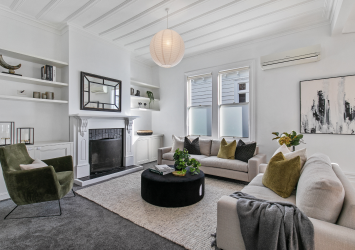
When a home hits the market, first impressions can make the difference between a quick sale and a property that lingers on the list. Staging transforms an empty or lived-in space into a showcase that highlights a home’s best features, creates emotional connections, and helps potential buyers envision their own lives within those walls. By thoughtfully arranging furniture, selecting neutral décor, and emphasizing flow, sellers can dramatically improve both the speed of the sale and the final price.
Why Home Staging Works
Professional staging taps into proven psychological triggers that guide buyer behavior. The most compelling reasons include:
- Visual Clarity: A well-staged room eliminates clutter, allowing buyers to focus on architecture, space, and natural light.
- Emotional Appeal: Neutral, inviting settings help visitors picture themselves living there, increasing the likelihood of an offer.
- Competitive Edge: In a crowded market, a staged home often stands out in online listings and open houses.
Key Staging Steps to Accelerate Your Sale
1. Declutter and Depersonalize
Start by removing personal items, excess furniture, and anything that distracts from the home’s structure. This creates a clean canvas that showcases the property’s scale.
2. Deep Clean Every Surface
A spotless environment signals care and maintenance. Pay special attention to windows, floors, and kitchens, areas that buyers scrutinize closely.
3. Optimize Furniture Layout
Arrange furniture to highlight natural traffic patterns and make rooms feel spacious. If a piece feels out of place, consider renting a more suitable item or removing it entirely.
4. Add Neutral, Warm Décor
Choose a palette of soft neutrals, beiges, greys, and muted greens, to create a calming backdrop. Add tasteful accessories like throw pillows, artwork, and fresh flowers for subtle pops of colour.
5. Highlight Architectural Features
Use lighting, rugs, and strategic placement to draw attention to unique elements such as crown moulding, fireplaces, or large windows. Proper illumination can make a room feel larger and more inviting.
Room-by-Room Staging Checklist
- Living Room: Position a comfortable sofa facing the focal point (fireplace or TV), add a coffee table, and place a rug that defines the seating area.
- Kitchen: Clear countertops, display a bowl of fresh fruit, and ensure appliances are spotless.
- Master Bedroom: Use a neutral bedding set, remove excess nightstands, and add a simple piece of art above the headboard.
- Bathrooms: Hang fresh towels, place a scented candle, and keep toiletries out of sight.
- Outdoor Spaces: Arrange a small seating set, tidy the garden, and add potted plants for curb appeal.
Professional Guidance vs. DIY Staging
While many homeowners can achieve basic staging results on their own, professional expertise often yields superior outcomes. Experienced stagers understand market trends, know how to select furniture that maximizes space, and can source décor that resonates with target buyers. For those interested in a deeper dive, Discover expert strategies here. offers a comprehensive look at how tailored staging solutions can be applied to different property types.
Cost-Effective Staging Tips
Staging doesn’t have to break the bank. Consider these budget-friendly ideas:
- Borrow or rent furniture instead of purchasing new pieces.
- Use paint to refresh walls, neutral tones are most effective.
- Swap out dated hardware (cabinet pulls, door handles) for a modern look.
- Incorporate inexpensive accessories like decorative trays, candles, and indoor plants.
Timing Your Staging Effort
Coordinate staging with your listing schedule. Ideally, the home should be fully staged before professional photography begins, as high-quality images are a primary driver of buyer interest. A well-staged home photographed at its best can command higher online click-through rates, leading to more showings and faster offers.
Measuring the Impact
Metrics that illustrate the effectiveness of staging include:
- Reduced days on market compared with non-staged comparable listings.
- Higher average sale price relative to the local median.
- Increased buyer engagement during open houses (longer visit times, more inquiries).
Next Steps for Sellers
Ready to put these principles into practice? Begin by assessing each room against the checklist, decide whether a DIY approach meets your needs, or explore professional assistance. Detailed guidance on creating a tailored staging plan can be found at Learn about our tailored solutions. For those seeking advanced techniques, Explore advanced guides and tips. provides deeper insights into colour psychology, lighting design, and furniture selection.
By investing time and thought into staging, sellers position their homes to attract the right buyers quickly, often achieving a sale price that exceeds expectations. The effort pays off in reduced market time, stronger offers, and a smoother transaction overall.