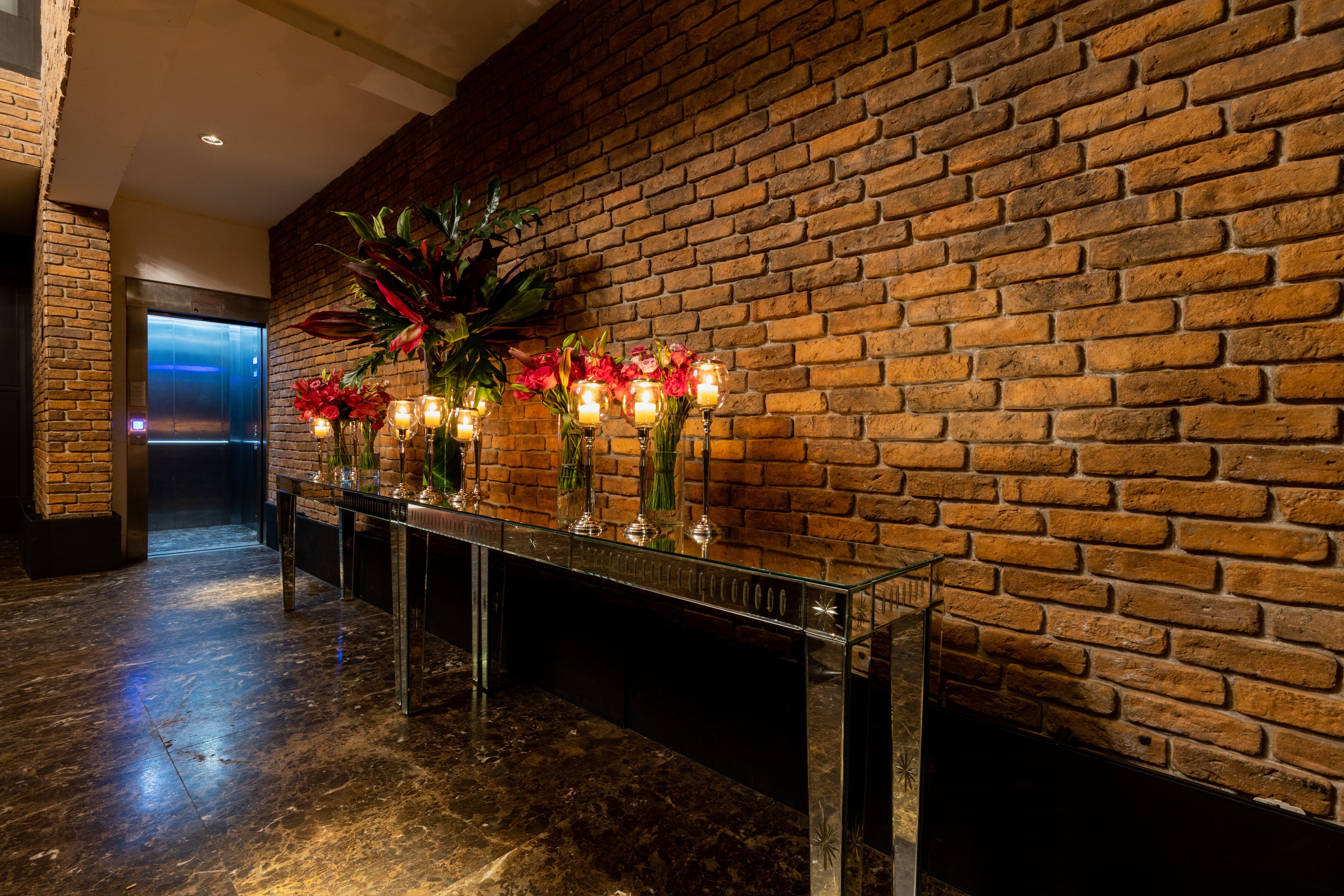
First impressions in a commercial environment are shaped by more than just the products or services offered; the visual and sensory experience of a space plays a pivotal role in how clients and employees feel. A thoughtfully designed interior can turn a functional area into a welcoming sanctuary, encouraging longer visits, higher engagement, and a stronger emotional connection to the brand. By integrating strategic decor solutions, ranging from color palettes and lighting to furniture layout and natural elements, businesses can cultivate an atmosphere that reflects professionalism while remaining inviting. The following guide outlines practical steps and creative ideas to help any organization elevate its environment without compromising on brand identity.
Understanding the Core Elements of Business Decor
Color Psychology and Brand Alignment
- Neutral foundations: Shades of gray, beige, or off-white create a calm backdrop that allows accent colors to shine.
- Accent hues: Use brand colors sparingly on walls, artwork, or furniture to reinforce identity without overwhelming the space.
- Psychological impact: Blues promote trust, greens suggest growth, while warm tones like amber foster hospitality.
Lighting Strategies for Mood and Function
- Layered lighting, combining ambient, task, and accent fixtures, provides flexibility for different activities.
- Natural light should be maximized; consider sheer window treatments to diffuse glare while preserving brightness.
- LED solutions with adjustable color temperature can shift the atmosphere from focused work to relaxed networking.
Furniture Selection and Layout
- Choose ergonomic pieces that support comfort and productivity, especially in reception and collaborative zones.
- Modular furniture allows reconfiguration for events, workshops, or changing team sizes.
- Incorporate a mix of seating heights and styles to accommodate diverse user preferences.
Incorporating Natural Elements
Biophilic design, integrating plants, natural materials, and organic shapes, has been shown to reduce stress and improve air quality. Even modest additions can make a significant difference.
- Living walls: Vertical gardens serve as striking focal points while purifying the air.
- Desk plants: Low-maintenance varieties like succulents or pothos add greenery without demanding extensive care.
- Natural textures: Wood, stone, and woven fabrics introduce warmth and tactile interest.
For a deeper dive into how greenery can transform commercial spaces, Discover expert strategies here.
Brand-Consistent Artwork and Signage
Artwork should echo the company’s values and story. Curated pieces, whether local photography, abstract prints, or custom illustrations, can reinforce messaging without appearing overtly promotional.
- Rotate seasonal displays to keep the environment fresh.
- Use signage that blends with the decor; backlit acrylic or brushed metal can look sleek and subtle.
- Consider interactive digital frames that showcase evolving content such as milestones, community initiatives, or industry news.
Guidance on selecting pieces that align with corporate culture can be found at Learn about our tailored solutions.
Creating Functional Zones
Dividing a space into purposeful zones enhances flow and usability. Each area should have a clear intent, reception, collaboration, quiet work, or social interaction, while maintaining visual cohesion.
Reception and Waiting Areas
- Comfortable seating paired with soft lighting invites guests to relax.
- Display subtle branding elements, such as a logo-etched glass table or a muted color accent wall.
- Provide reading material or digital tablets with curated content to engage visitors.
Collaboration Spaces
- Whiteboards, writable walls, and movable partitions encourage brainstorming.
- Acoustic panels reduce noise, fostering concentration even in open layouts.
- Integrate power outlets and USB ports for seamless device connectivity.
Quiet Zones
- Use sound-absorbing furniture and muted color schemes to create a calm atmosphere.
- Offer individual pods or small desks for focused tasks.
- Introduce subtle scent diffusers with neutral aromas to enhance concentration.
For actionable tips on zoning strategies, Explore advanced guides and tips.
Maintaining a Cohesive Aesthetic Over Time
Consistency is key to a professional look. Regular audits of d??cor elements ensure that wear and trends do not dilute the intended atmosphere.
- Schedule quarterly reviews of paint, upholstery, and lighting conditions.
- Update artwork and accessories seasonally to keep the environment dynamic.
- Invest in durable, high-quality materials that age gracefully.
Additional resources on long-term decor management are available at Find out more about this approach.
Conclusion
Designing a welcoming atmosphere through business decor solutions is an ongoing process that blends aesthetics, functionality, and brand storytelling. By focusing on color psychology, strategic lighting, ergonomic furniture, natural elements, and purposeful zoning, any organization can create spaces that resonate with clients and staff alike. Consistent evaluation and thoughtful updates ensure the environment remains fresh, professional, and aligned with evolving business goals. Implementing these practices not only enhances visual appeal but also supports productivity, satisfaction, and long-term brand loyalty.