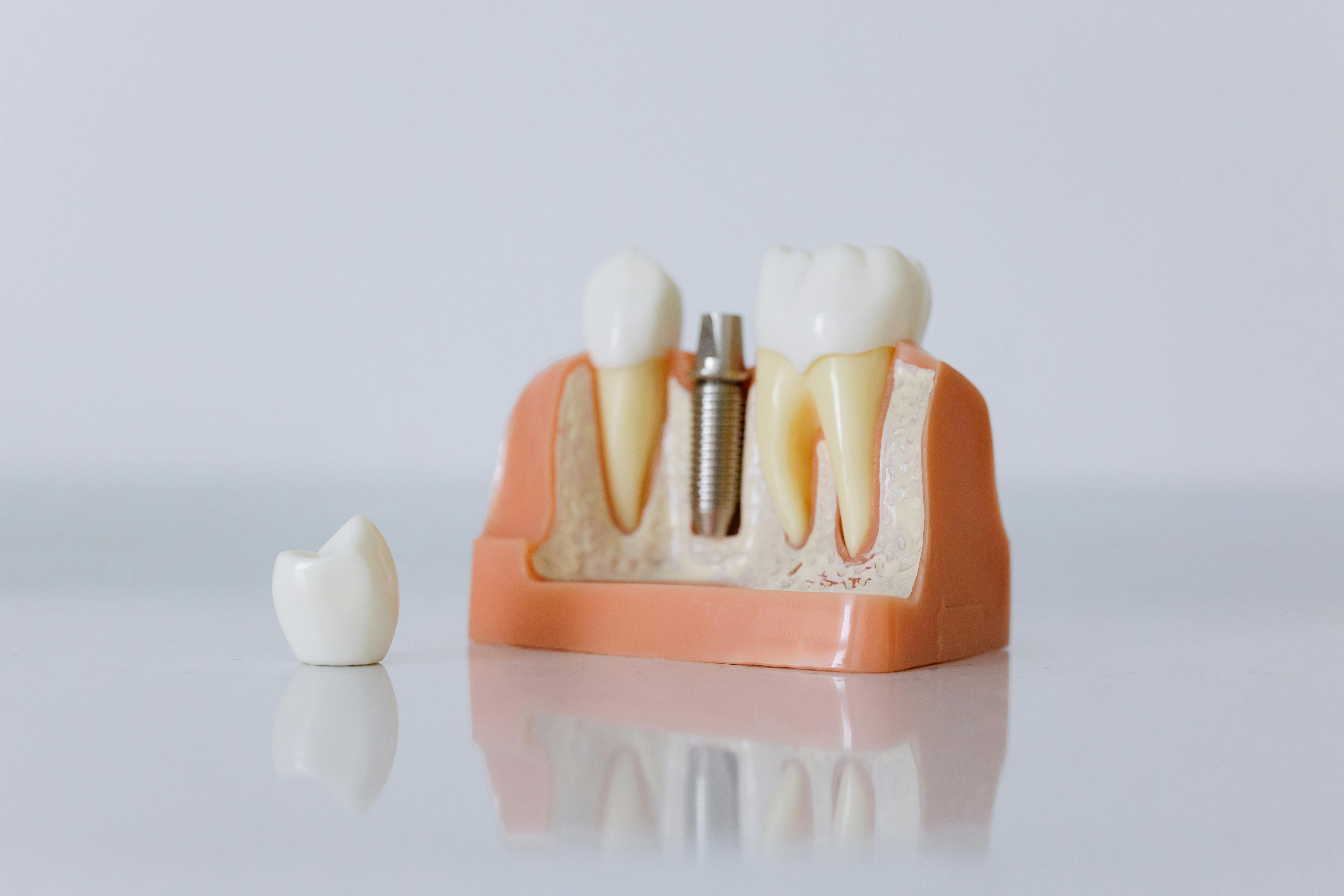
Missing a single tooth can affect both function and confidence, yet modern dentistry offers a reliable solution that restores natural appearance, chewing efficiency, and long-term oral health. In Massapequa, NY, the latest advancements in single tooth replacement provide a seamless, minimally invasive option that integrates with the surrounding bone and gum tissue, delivering results that feel and look like a natural tooth. This article explores the clinical considerations, procedural steps, and post-treatment care essential for achieving optimal outcomes with a single dental implant.
Why Choose a Single Tooth Implant?
When a solitary tooth is lost, the surrounding bone can begin to resorb, leading to further dental complications. A single dental implant offers several distinct advantages over traditional bridges or removable partial dentures:
- Preserves adjacent teeth by eliminating the need for grinding down healthy structures.
- Stimulates bone growth, maintaining facial structure and preventing gum recession.
- Provides a stable, permanent solution that mimics the strength of natural roots.
- Improves speech, chewing efficiency, and overall comfort.
For residents seeking a reliable option, the phrase single tooth replacement Massapequa NY frequently appears in local searches, reflecting the growing demand for this precise treatment.
Candidate Evaluation and Treatment Planning
Comprehensive Oral Examination
Before proceeding, a thorough assessment is performed to confirm suitability. Key components include:
- Radiographic imaging (CBCT scans) to evaluate bone density and anatomical landmarks.
- Periodontal health check to ensure gum tissue is healthy and free of disease.
- Evaluation of occlusion (bite) to anticipate any functional adjustments.
Patients meeting the criteria are excellent candidates for single tooth dental implants North Massapequa NY, allowing the clinician to craft a customized surgical plan.
Personalized Prosthetic Design
Modern digital workflows enable the creation of a crown that matches the shade, shape, and translucency of neighboring teeth. This precision ensures the final restoration blends seamlessly with the existing dentition, delivering a natural aesthetic.
The Surgical Procedure
The implant placement process typically follows these stages:
- Local anesthesia: Ensures a pain-free experience.
- Implant fixture insertion: A titanium post is placed into the prepared osteotomy site.
- Healing period: Usually 3-6 months for osseointegration, during which the implant fuses with bone.
- Abutment placement: A connector is attached to the implant, preparing it for the final crown.
- Crown placement: The custom-fabricated crown is cemented or screwed onto the abutment.
Patients searching for a single dental implant near me will find that the procedure is streamlined, often requiring only one or two office visits.
Benefits Over Alternative Options
While bridges and removable dentures have historically been used to replace a missing tooth, single tooth implants provide superior outcomes in several areas:
- Longevity: Implants can last a lifetime with proper care, whereas bridges typically require replacement every 5-10 years.
- Bone preservation: The implant’s root-like structure stimulates bone, preventing the hollowing effect seen with other restorations.
- Comfort: No metal clasps or adhesives are needed, eliminating irritation.
- Maintenance: Oral hygiene routines remain unchanged; brushing and flossing are performed as usual.
For those exploring options, the term dental implant for one missing tooth often appears in research, highlighting the specific focus on single-tooth solutions.
Post-Operative Care and Long-Term Maintenance
Successful integration relies on diligent aftercare:
- Follow prescribed antibiotics and anti-inflammatory medication to reduce infection risk.
- Avoid hard or sticky foods for the first 24-48 hours.
- Maintain meticulous oral hygiene, brush twice daily and use a soft-bristle brush around the implant site.
- Schedule regular check-ups to monitor bone health and prosthetic integrity.
Adhering to these guidelines supports the durability of single tooth dental implants and ensures the restoration continues to function like a natural tooth.
Choosing the Right Provider in Massapequa
Expertise, technology, and patient-centered care are essential criteria when selecting a clinician for a dental implants single tooth procedure. Prospective patients should consider:
- Board-certified oral surgeons or periodontists with extensive implant experience.
- Access to 3-D imaging and computer-guided surgery for precise placement.
- Transparent treatment plans that outline costs, timelines, and expected outcomes.
- Positive patient testimonials reflecting consistent success.
Searching for a single tooth implant dentist Massapequa will typically surface providers who meet these standards, ensuring confidence in the chosen treatment pathway.
Frequently Asked Questions
How long does the entire process take?
From initial consultation to final crown placement, the timeline ranges from 4 to 7 months, depending on bone healing requirements.
Is the procedure painful?
Local anesthesia eliminates intra-operative pain. Post-operative discomfort is usually mild and manageable with over-the-counter pain relievers.
Will insurance cover the implant?
Many dental insurance plans partially reimburse implant procedures. It is advisable to verify coverage details with the provider’s billing department.
Can an implant be placed immediately after extraction?
In many cases, an immediate-placement protocol is possible, reducing overall treatment time. The decision depends on bone quality and the presence of infection.
Conclusion
For individuals in Massapequa, NY, seeking a durable, natural-looking solution to a single missing tooth, the modern single tooth implant stands out as the gold standard. By preserving bone, eliminating the need for adjacent tooth alteration, and delivering a permanent restoration, this treatment aligns with both functional and aesthetic goals. When paired with a skilled implant specialist and a comprehensive care plan, patients can expect a seamless experience that restores confidence and oral health for years to come.