Septic systems are a critical component of many homes and businesses, particularly in rural areas where municipal sewage systems are unavailable. These systems require regular maintenance to function efficiently and prevent costly repairs or replacements. One of the most crucial aspects of septic system care is regular septic tank pumping. This process involves removing the accumulated sludge and scum that can cause system failures if left unchecked. Understanding the importance of regular pumping and adhering to a consistent schedule can help ensure the longevity and efficiency of a septic system.
Why Regular Septic Tank Pumping is Essential
Regular septic tank pumping is vital for several reasons. A septic tank is designed to separate solid waste from wastewater, allowing the latter to flow into a drain field. However, over time, the solid waste (sludge) accumulates at the bottom of the tank, and scum forms at the top. If these layers become too thick, they can overflow into the drain field, causing blockages and potentially damaging the system.
- Prevention of System Failures: Regular pumping helps prevent backups and overflows that can lead to system failures.
- Environmental Protection: Proper maintenance prevents untreated sewage from contaminating the surrounding environment.
- Cost Savings: Regular maintenance is far more cost-effective than emergency repairs or complete system replacements.
The Ideal Septic Tank Pumping Schedule
While the frequency of septic tank pumping can vary based on several factors, a general guideline is to pump the tank every three to five years. However, factors such as the size of the tank, the number of household members, and the volume of wastewater generated can influence this schedule.
Factors Influencing Pumping Frequency
- Tank Size: Larger tanks may require less frequent pumping than smaller tanks.
- Household Size: More occupants generate more waste, necessitating more frequent maintenance.
- Usage Habits: High water usage or frequent use of garbage disposals can increase the need for pumping.
Signs That Your Septic Tank Needs Pumping
Even with a regular pumping schedule, certain signs may indicate that a septic tank requires immediate attention. Recognizing these warning signs early can help prevent more severe problems.
- Slow Drains: If sinks, showers, or toilets are draining slowly, it may indicate a full septic tank.
- Odor: Foul smells around the septic tank or drain field can be a sign that the tank needs pumping.
- Lush Grass: An unusually green or lush area over the septic system may indicate a leak or overflow.
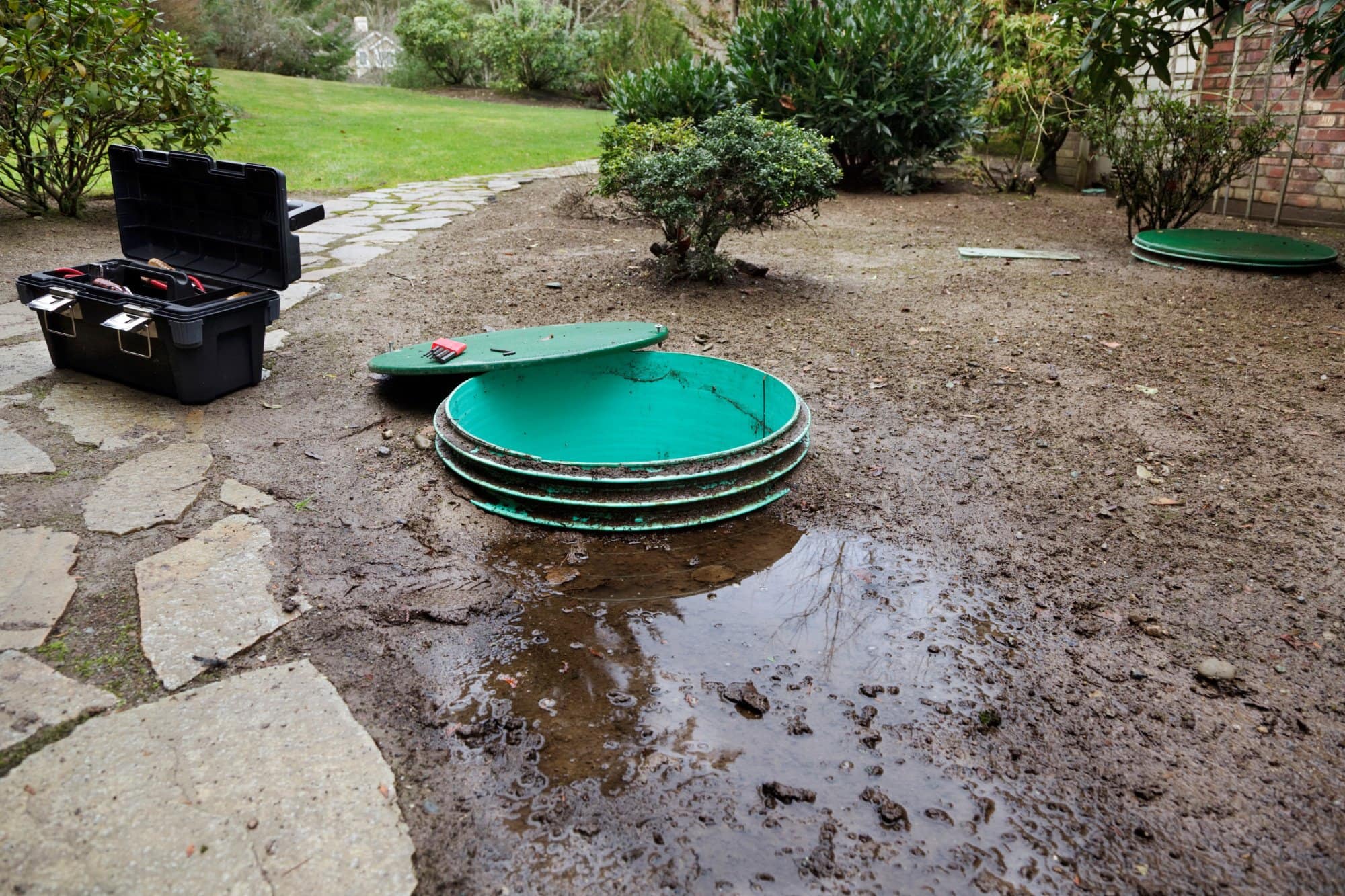
- Standing Water: Puddles or standing water near the septic tank or drain field can signal a serious issue.
Professional Septic Tank Pumping Services
Hiring a professional service for septic tank pumping ensures the job is done correctly and safely. Experts have the necessary equipment and expertise to handle the waste and dispose of it properly, complying with local regulations. Regular consultations with professionals can also provide insights into the health of the septic system and any potential issues that need addressing.
To ensure the longevity and functionality of a septic system, it is crucial to understand the importance of regular maintenance and adhere to a suggested pumping schedule. Being proactive about septic tank pumping can prevent costly repairs and contribute to a safer and cleaner environment. By staying informed and vigilant, homeowners can protect their investment and maintain a healthy living space.